
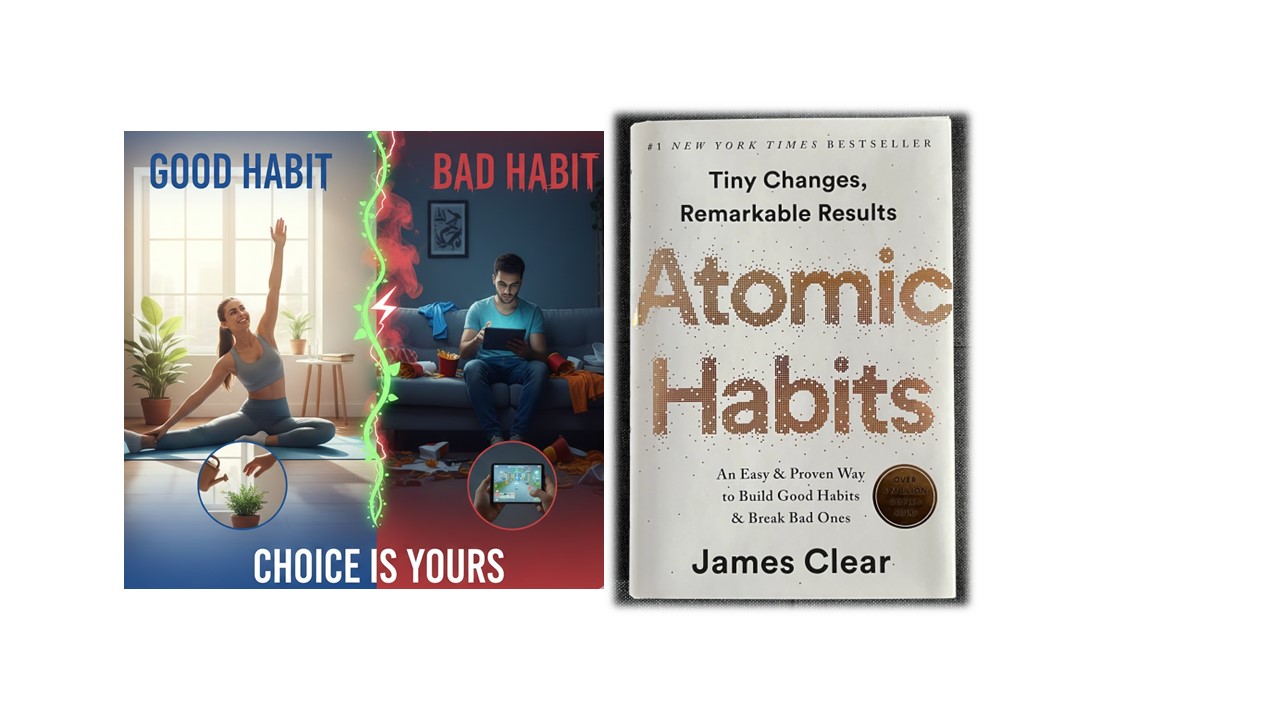
If you are truly willing to build new habits and let go of old, unhelpful ones, there are countless books and programs available. But in recent years, one book has stood out globally for its simplicity, scientific depth, and real-life usefulness: Atomic Habits by James Clear.
Clear, an American writer, is widely respected for turning complex behavioral science into practical strategies anyone can apply. His work focuses on how we make decisions, how habits shape our daily life, and how small improvements can lead to long-term success. With millions of readers worldwide, Atomic Habits has earned its reputation as a must-read guide for personal change.
Simple and Summary of Atomic Habits: Atomic Habits explains a powerful idea: big success isn’t built from dramatic change; it comes from tiny actions repeated consistently. Clear highlights that habits grow stronger when they match our identity; real change happens when we start believing, “This is who I am,” not just “This is what I want.” He presents the Four Laws of Behavior Change; make habits obvious, attractive, easy, and satisfying. These laws act like a blueprint for building good habits and breaking bad ones. The book also shows how our surroundings influence us more than motivation, and how tools like habit stacking, small cues, and reducing friction can make habits stick naturally. Backed by psychology and real stories, the book teaches those strong systems not goals alone create lasting progress. Even the smallest habits have the power to reshape health, productivity, mindset, and overall life direction.
Seven Things Readers Gain & How to Use Them
Key Science and Logic : This book offers a scientifically grounded understanding of how human behavior changes. The book frames habits as outcomes of repeated cues, neural pathways, and environmental signals that strengthen over time through reinforcement. Clear’s model shows that small, consistent actions trigger measurable psychological and neurobehavioral shifts, gradually reshaping identity and decision-making patterns. By aligning habits with brain-friendly principles simplicity, reward, repetition, and environmental cues individuals can reliably build positive routines and weaken negative ones. This scientifically informed approach makes sustainable self-improvement not a matter of willpower, but a matter of designing the right system.
No comments yet. Be the first to comment!

Public accountability in sci...
View now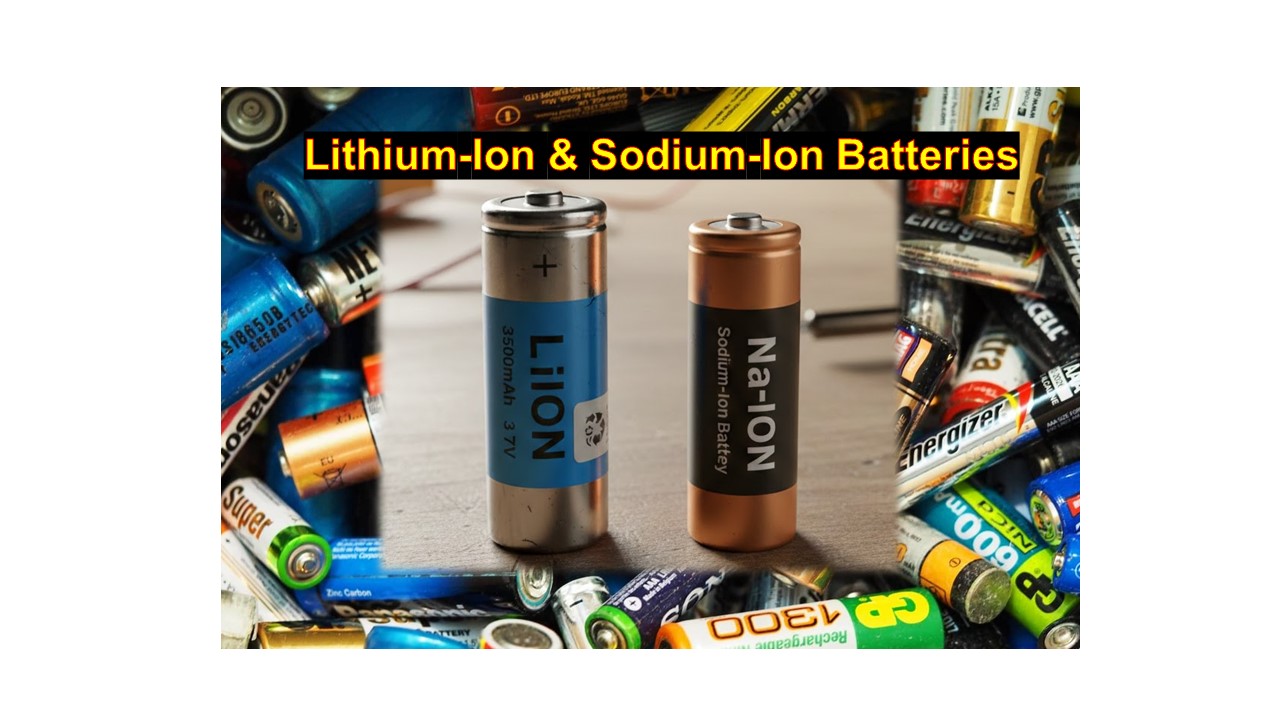
Rechargeable batteries are essential to modern society, quietly enabling...
View now
Quantum computers represent one of the most profound shifts in the histo...
View now