
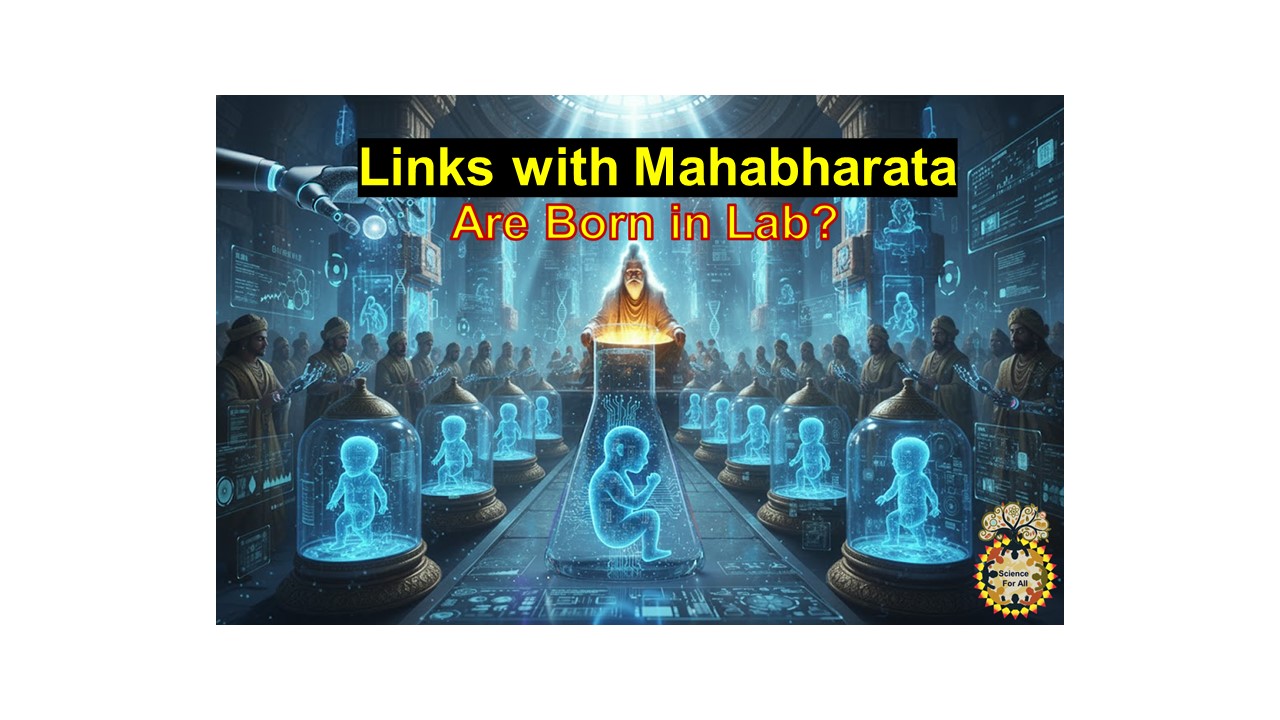
Within 50 years from now, the way humans are born may look very different from today. What sounds like science fiction now, babies developing in laboratories could slowly move toward simple reality. Not suddenly, not everywhere, but step by step. Interestingly, this idea is not entirely new to human imagination. Indian civilization contemplated such possibilities thousands of years ago. In the Mahabharata, Queen Gandhari is said to have carried a pregnancy for an unusually long time and eventually gave birth not to a single child, but to a mass of flesh. Sage Vyasa divided this mass into one hundred and one portions, placed them in separate containers filled with medicinal substances, and from these emerged the Kauravas. Though it often considered symbolic and spiritual in nature by many, this narrative describes external nurturing of human life, outside the natural womb; an idea strikingly similar to what modern science now calls ex-utero gestation. Today, science has already crossed important milestones. IVF turned infertility into a medical condition, not a fate. Artificial intelligence now helps select healthier embryos. Gene-editing tools allow scientists to understand and potentially correct inherited diseases. Artificial wombs, still experimental, have already supported extremely premature babies for short periods. These are not myths; they are peer-reviewed scientific advances. In the coming decades, researchers will easily succeed in developing complete external gestation systems, where a fetus can grow safely outside the human body. If this happens, pregnancy may no longer be limited by biology, gender, or health. Parenthood could become possible for individuals who cannot carry a child, including those with severe medical conditions or without a traditional partner.
Sexual reproduction, in such a future, may no longer be biologically necessary for reproduction. Human eggs and sperm could potentially be generated from adult cells using advanced stem-cell technologies. Fertilization, growth, monitoring, and delivery may occur under precise medical supervision, reducing maternal mortality, genetic disorders, and pregnancy-related risks. Here, the parallel with the Mahabharata becomes profound. Vyasa did not create life from nothing; he guided, protected, and nurtured life using knowledge. Modern science does the same not by miracles, but through biology, chemistry, materials science, and engineering. The difference is not intent, but method. Nevertheless, this future will not arrive without deep questions. Who will regulate human creation? How do we protect children born through such technologies from becoming commodities rather than individuals? Will access be equal, or limited to a privileged few? Ancient texts placed moral responsibility in the hands of sages; modern society must place it in ethical institutions and public oversight. And, herein in author consider it very critical, producing may be feasible but care will be a very complex issue
Just as fire, electricity, and the internet reshaped civilization, reproductive technology may redefine family, parenthood, and even what it means to be human. The Mahabharata imagined life emerging outside the womb; modern science may one day realize a version of it but with responsibility, restraint, and evidence. The future may not remove humanity from reproduction, but it will certainly change how humanity participates in it. Technology can assist birth, but it cannot replace values. The laboratory may help create life, as the vessels once did in ancient stories but only society can ensure that such life is raised with dignity, equality, and humanity.
by Santosh K. Tiwari, PhD
No comments yet. Be the first to comment!

Rechargeable batteries are essential to modern society, quietly enabling...
View now
Quantum computers represent one of the most profound shifts in the histo...
View now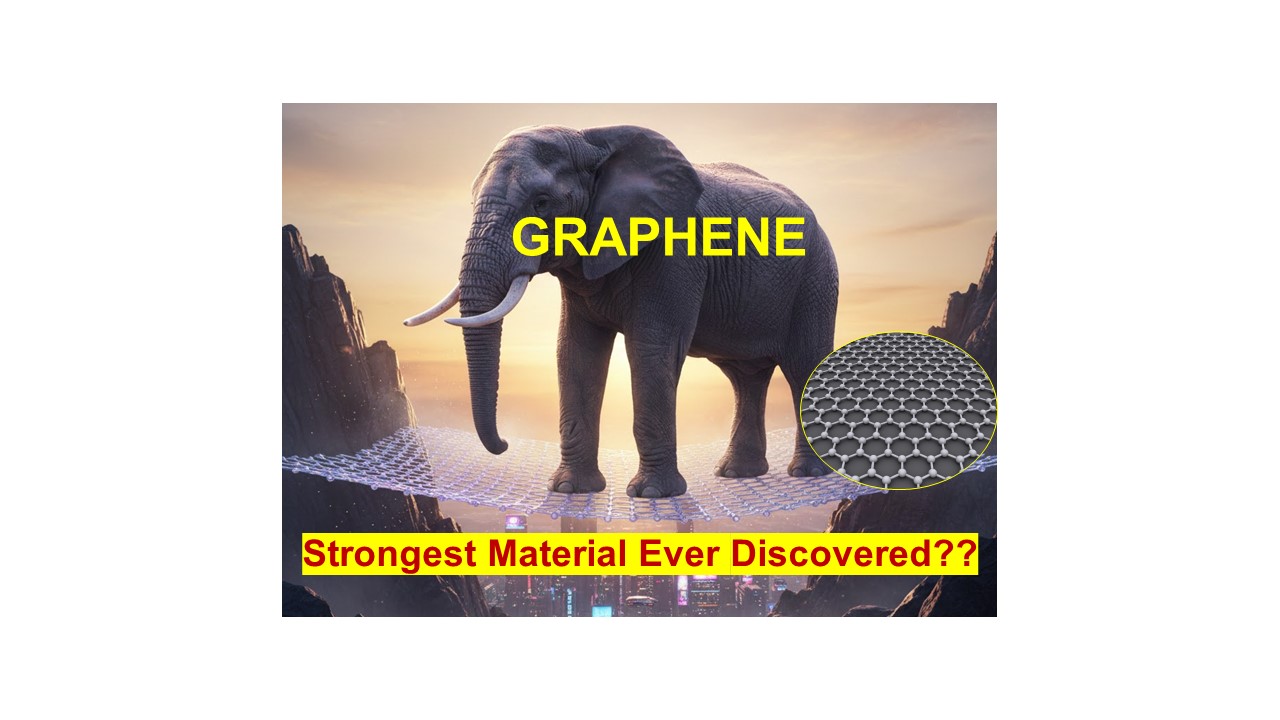
Graphene: The Strongest Material Ever Discovered...
View now